TVs / Panasonic Z95B vs Philips OLED951
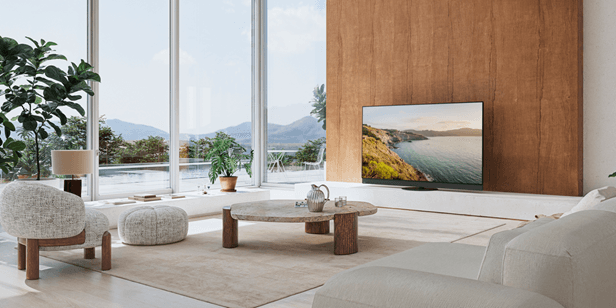
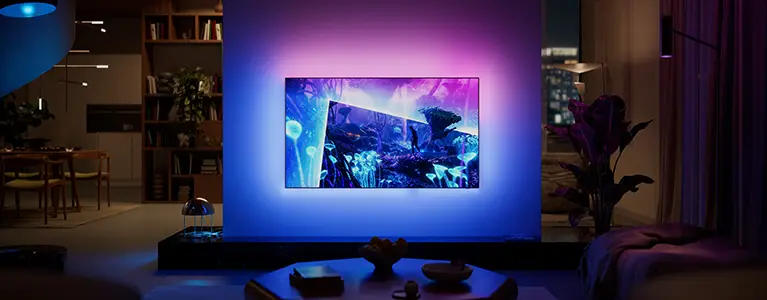
Panasonic Z95B vs Philips OLED951
Panasonic Z95B
Panasonic's flagship 2026 OLED, built around class-leading built-in sound and a new Tandem panel.
Wins overall by 0.0 points
Quick Verdict
The Panasonic Z95B wins by 0.0 points, which is not enough to settle it. Philips' flagship 2026 OLED and the world's first with Dolby Vision 2 Max — not sold on US Amazon. Pick on the specs that matter to you, not the overall score.
The Panasonic Z95B and Philips OLED951 are both current-generation TV models, and the Panasonic Z95B is $661 cheaper than the Philips OLED951 ($3,099 vs $3,760). On Built-in Sound, the Panasonic Z95B leads (9.2 vs 7.5/10) — onboard speaker power, clarity, and Dolby Atmos support. On Brightness & HDR, the Philips OLED951 leads (9.7 vs 8.8/10) — peak nits and HDR format support for highlight detail. On Gaming Features, the Philips OLED951 leads (9.4 vs 8.6/10) — refresh rate, VRR, input lag, and console support. Overall, the Panasonic Z95B scores 8.6/10 across our 8 scoring categories versus 8.6/10 for the Philips OLED951, though the gap is close enough that your specific use case should decide it. Below, we break down the full spec sheet, category-by-category scores, and exactly who should buy which one.
Side-by-Side Comparison
| Spec | Panasonic Z95B | Philips OLED951 |
|---|---|---|
| Price | $3099.00 | $3760.00 |
| Release Year | 2026 | 2026 |
| Screen Size (in) | 65 | 65 |
| Panel Type | Primary RGB Tandem OLED (Master OLED Ultra) | 4th-Gen LG Primary RGB Tandem 2.0 OLED panel |
| Resolution | 3840x2160 (4K UHD) | 3840x2160 (4K UHD) |
| Peak Brightness (nits) | Not independently confirmed in nits; Panasonic's new ThermalFlow cooling is designed to push the Tandem panel harder than prior generations | 4500 |
| Refresh Rate (Hz) | 144 | 165✓ |
| Processor | HCX Pro AI Processor MK II | 10th-Gen P5 AI Processor + MediaTek Pentonic 800 |
| HDMI 2.1 Ports (ports) | 4 | 4 |
| HDR Formats | Dolby Vision, HDR10, HDR10+, HLG | Dolby Vision 2 Max, HDR10+, HDR10, HLG |
| Smart Platform | Fire TV (Panasonic TV Premium) | Titan OS |
| Variable Refresh Rate (VRR) | Yes | Yes |
| Built-in Audio System | 360° Soundscape Pro, front/side/upward-firing speakers + 30W woofer (tuned by Technics) | Not officially specified (no built-in soundbar on this model, unlike the OLED911) |
| Built-in Dolby Atmos | Yes | Yes |
| Warranty | 12 months | 12 months |
| Colors | Black | Black |
Category Scores
Picture Quality
The Philips OLED951 is marginally ahead, 9.6 to 9.4. A gap this small rarely decides a purchase on its own, though it counts if panel technology, contrast, and color accuracy is your priority.
Brightness & HDR
The Philips OLED951 leads clearly here, 9.7 against 8.8 — a 0.9-point margin on peak nits and HDR format support for highlight detail. If that is what you are buying for, the Panasonic Z95B does not close the gap elsewhere.
Gaming Features
The Philips OLED951 leads clearly here, 9.4 against 8.6 — a 0.8-point margin on refresh rate, VRR, input lag, and console support. If that is what you are buying for, the Panasonic Z95B does not close the gap elsewhere.
Smart Platform
The Panasonic Z95B is marginally ahead, 7.8 to 7.5. A gap this small rarely decides a purchase on its own, though it counts if OS responsiveness, app ecosystem, and voice assistant support is your priority.
Built-in Sound
The Panasonic Z95B leads clearly here, 9.2 against 7.5 — a 1.7-point margin on onboard speaker power, clarity, and Dolby Atmos support. If that is what you are buying for, the Philips OLED951 does not close the gap elsewhere.
Design & Build
The Philips OLED951 is marginally ahead, 9.0 to 8.7. A gap this small rarely decides a purchase on its own, though it counts if panel thinness, bezels, stand/mount options, and finish is your priority.
Connectivity
The Philips OLED951 is marginally ahead, 9.5 to 9.3. A gap this small rarely decides a purchase on its own, though it counts if HDMI 2.1 port count and other I/O for consoles and soundbars is your priority.
Value
The Panasonic Z95B is marginally ahead, 6.9 to 6.5. A gap this small rarely decides a purchase on its own, though it counts if performance and features relative to price is your priority.
Best For
Choose the Panasonic Z95B if…
- • Built-in Sound matters most to you — the Panasonic Z95B scores 9.2/10 here (onboard speaker power, clarity, and Dolby Atmos support).
- • Value matters most to you — the Panasonic Z95B scores 6.9/10 here (performance and features relative to price).
- • You want to spend less — it's $661 cheaper.
Choose the Philips OLED951 if…
- • Brightness & HDR matters most to you — the Philips OLED951 scores 9.7/10 here (peak nits and HDR format support for highlight detail).
- • Gaming Features matters most to you — the Philips OLED951 scores 9.4/10 here (refresh rate, VRR, input lag, and console support).
- • Design & Build matters most to you — the Philips OLED951 scores 9.0/10 here (panel thinness, bezels, stand/mount options, and finish).
Pros & Cons
Panasonic Z95B
Pros
- +One of the best built-in TV sound systems on the market — 360° Soundscape Pro tuned by Technics
- +New ThermalFlow cooling pushes the Tandem panel to higher sustained brightness
- +Full HDR10+ and Dolby Vision support (a rare combination)
- +HCX Pro AI Processor MK II with strong color science
Cons
- −144Hz refresh — below the 165Hz offered by the LG/Samsung flagships
- −Fire TV platform has a smaller native app/settings footprint than webOS or Tizen
- −Peak brightness not independently measured at review time
Philips OLED951
Pros
- +World-first Dolby Vision 2 Max support
- +Rated up to 4,500 nits — the highest of any TV in this comparison set
- +4-sided Ambilight with the new AmbiScape feature
- +Four full-bandwidth HDMI 2.1 ports with 4K HFR support
Cons
- −Not sold on US Amazon — Philips TVs sold in the US come from a different licensee and this lineup isn't distributed there
- −Price shown is an estimate based on the predecessor OLED950's UK launch price; official 2026 pricing has not been announced
- −New Titan OS platform is unproven versus webOS, Tizen, or Google TV
Shop by Need
FAQs
Is the Panasonic Z95B or Philips OLED951 better overall?+
Based on our 8-category scoring, the Panasonic Z95B comes out ahead overall. See the full breakdown in the scores section above — the right pick still depends on which categories matter most for your use case.
Which is better for Built-in Sound, the Panasonic Z95B or the Philips OLED951?+
The Panasonic Z95B scores higher on Built-in Sound (9.2/10 vs 7.5/10) — onboard speaker power, clarity, and Dolby Atmos support.
Which is better for Brightness & HDR, the Panasonic Z95B or the Philips OLED951?+
The Philips OLED951 scores higher on Brightness & HDR (9.7/10 vs 8.8/10) — peak nits and HDR format support for highlight detail.
Which is better for Gaming Features, the Panasonic Z95B or the Philips OLED951?+
The Philips OLED951 scores higher on Gaming Features (9.4/10 vs 8.6/10) — refresh rate, VRR, input lag, and console support.
Which is better for Value, the Panasonic Z95B or the Philips OLED951?+
The Panasonic Z95B scores higher on Value (6.9/10 vs 6.5/10) — performance and features relative to price.
Is the Panasonic Z95B worth the price difference over the Philips OLED951?+
The Panasonic Z95B is the cheaper option at $3,099 versus $3,760. Whether the pricier model is "worth it" depends on how much you value its lead in Built-in Sound.
What's the warranty on the Panasonic Z95B vs the Philips OLED951?+
The Panasonic Z95B ships with a 12-month warranty; the Philips OLED951 ships with a 12-month warranty. Always confirm current terms on the manufacturer's site before buying.
Should I wait for the next model instead of buying either of these?+
If either model is more than two years old, a successor may be close — check the "Latest Model" link on each product page. Otherwise, both are current, well-supported options and there's no strong reason to wait.
Cheaper Option
Samsung S95H — $3299.99
Premium Option
Sony BRAVIA 8 II — $3299.00
Specifications and prices for both products last verified . Scores are calculated from published specifications — see how we compare products.