TVs / Samsung S90H vs Panasonic Z90B
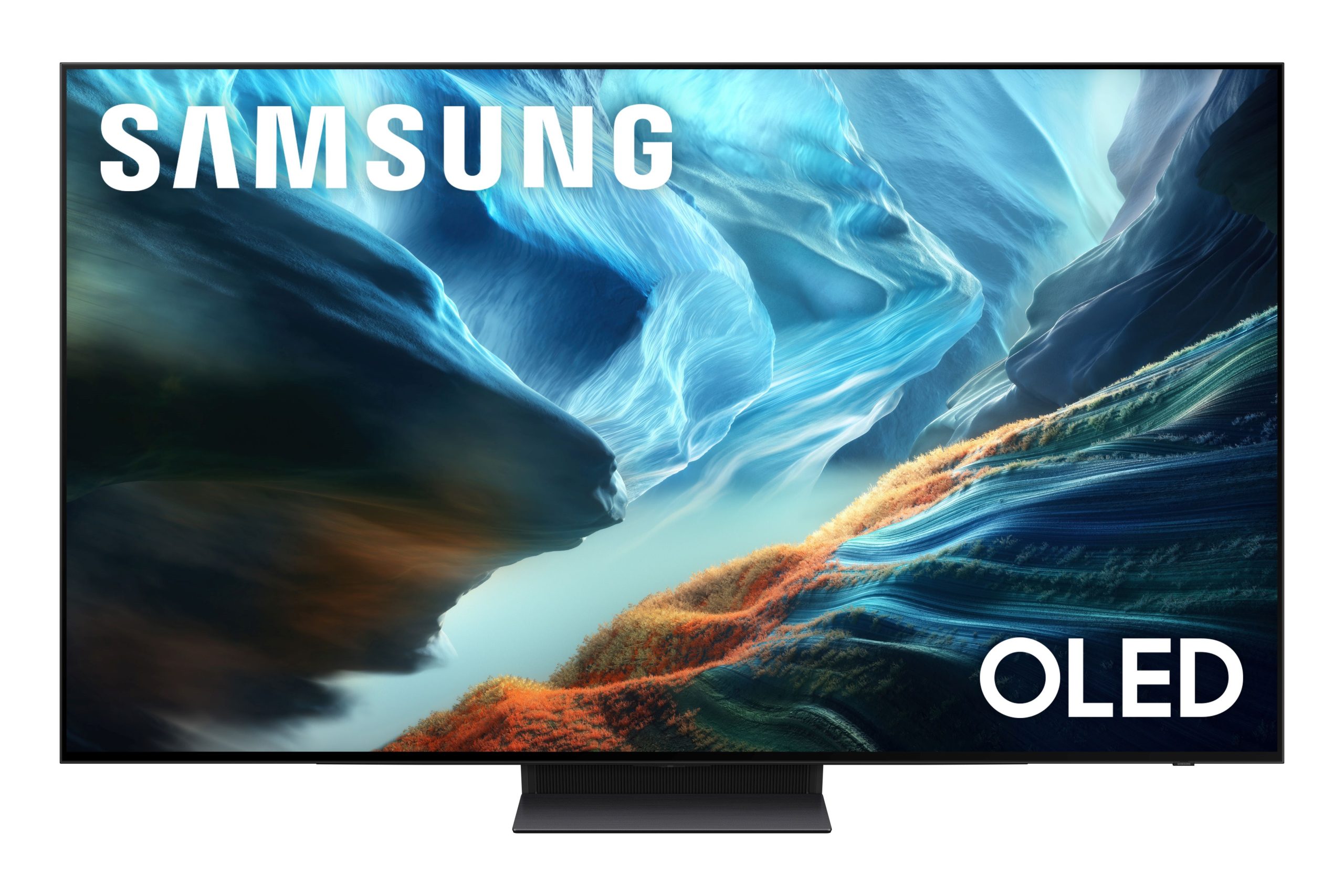
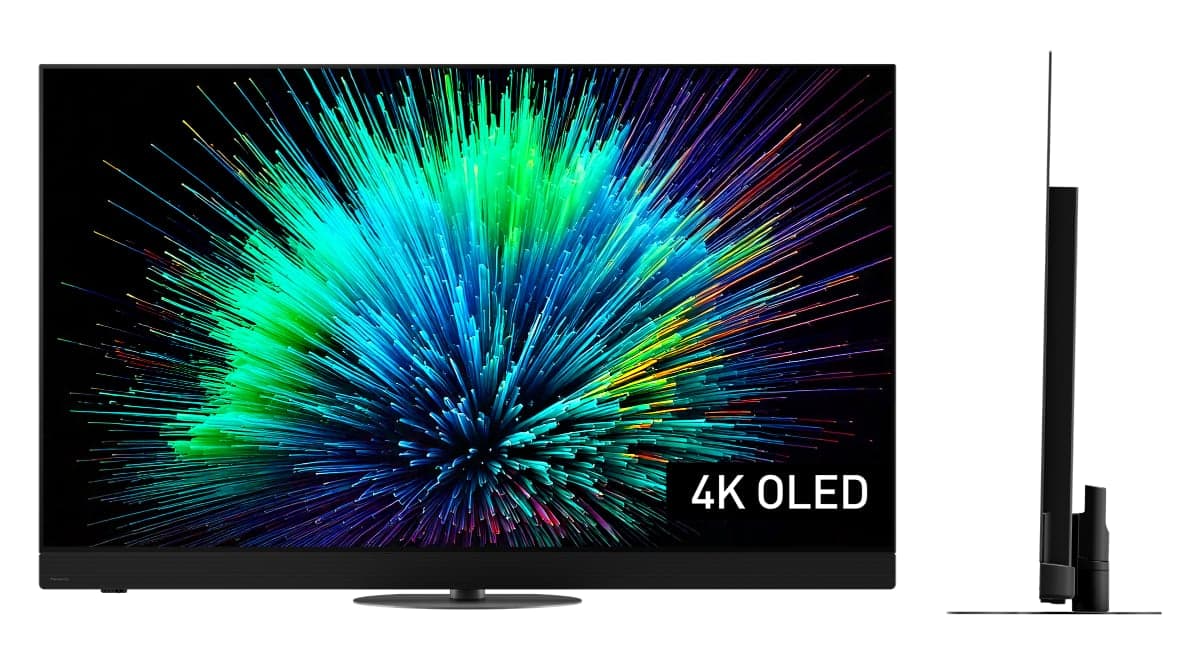
Samsung S90H vs Panasonic Z90B
Samsung S90H
Samsung's mid-range 2026 OLED — flagship gaming specs and glare-free coating, lower brightness ceiling.
Wins overall by 0.1 points
Quick Verdict
This is a close call. The Samsung S90H edges ahead by 0.1 points overall, but the Panasonic Z90B is still an excellent choice — especially if panasonic's mid-range 2026 oled — not currently sold in the us; uk pricing shown for comparison.
The Samsung S90H and Panasonic Z90B are both current-generation tv, and the Panasonic Z90B is $686 cheaper than the Samsung S90H ($2014 vs $2699.99). On built-in sound, the Panasonic Z90B leads (8.7 vs 7.5/10) — onboard speaker power, clarity, and dolby atmos support. On smart platform, the Samsung S90H leads (8.7 vs 7.8/10) — os responsiveness, app ecosystem, and voice assistant support. On gaming features, the Samsung S90H leads (9.2 vs 8.5/10) — refresh rate, vrr, input lag, and console support. Overall, the Samsung S90H scores 8.5/10 across our 8 test categories versus 8.4/10 for the Panasonic Z90B, though the gap is close enough that your specific use case should decide it. Below, we break down the full spec sheet, category-by-category scores, and exactly who should buy which one.
Side-by-Side Comparison
| Spec | Samsung S90H | Panasonic Z90B |
|---|---|---|
| Price | $2699.99 | $2014.00 |
| Release Year | 2026 | 2026 |
| Screen Size (in) | 65 | 65 |
| Panel Type | OLED panel with 165Hz refresh (panel vendor not independently confirmed for the 2026 model year) | Master OLED Pro Panel |
| Resolution | 3840x2160 (4K UHD) | 3840x2160 (4K UHD) |
| Peak Brightness (nits) | Not independently confirmed; Samsung positions this below the S95H's peak brightness on the same 165Hz panel generation | Not independently confirmed |
| Refresh Rate (Hz) | 165✓ | 144 |
| Processor | NQ4 AI Gen3 Processor | HCX Pro AI Processor MK II |
| HDMI 2.1 Ports (ports) | 4 | 4 |
| HDR Formats | HDR10+, HDR10, HLG | Dolby Vision IQ, HDR10+, HDR10, HLG |
| Smart Platform | Tizen (Samsung Vision AI) | Fire TV (Panasonic TV Premium) |
| Variable Refresh Rate (VRR) | Yes | Yes |
| Built-in Audio System | 2.1-channel, 40W (Dolby Atmos, Q-Symphony) | Dynamic Theater Surround Pro, 30W subwoofer (Dolby Atmos) |
| Built-in Dolby Atmos | Yes | Yes |
| Warranty | 12 months | 12 months |
| Colors | Black | Black |
Category Scores
Picture Quality
On picture quality, the Samsung S90H scores 8.8/10 versus 8.8/10 for the Panasonic Z90B — panel technology, contrast, and color accuracy. The two are essentially tied here.
Brightness & HDR
On brightness & hdr, the Samsung S90H scores 8.0/10 versus 8.0/10 for the Panasonic Z90B — peak nits and hdr format support for highlight detail. The two are essentially tied here.
Gaming Features
On gaming features, the Samsung S90H scores 9.2/10 versus 8.5/10 for the Panasonic Z90B — refresh rate, vrr, input lag, and console support. The Samsung S90H has the edge (9.2 vs 8.5).
Smart Platform
On smart platform, the Samsung S90H scores 8.7/10 versus 7.8/10 for the Panasonic Z90B — os responsiveness, app ecosystem, and voice assistant support. The Samsung S90H has the edge (8.7 vs 7.8).
Built-in Sound
On built-in sound, the Samsung S90H scores 7.5/10 versus 8.7/10 for the Panasonic Z90B — onboard speaker power, clarity, and dolby atmos support. The Panasonic Z90B has the edge (8.7 vs 7.5).
Design & Build
On design & build, the Samsung S90H scores 8.8/10 versus 8.5/10 for the Panasonic Z90B — panel thinness, bezels, stand/mount options, and finish. The Samsung S90H has the edge (8.8 vs 8.5).
Connectivity
On connectivity, the Samsung S90H scores 9.3/10 versus 9.2/10 for the Panasonic Z90B — hdmi 2.1 port count and other i/o for consoles and soundbars. The two are essentially tied here.
Value
On value, the Samsung S90H scores 7.8/10 versus 7.5/10 for the Panasonic Z90B — performance and features relative to price. The Samsung S90H has the edge (7.8 vs 7.5).
Best For
Choose the Samsung S90H if…
- • Smart Platform matters most to you — the Samsung S90H scores 8.7/10 here (os responsiveness, app ecosystem, and voice assistant support).
- • Gaming Features matters most to you — the Samsung S90H scores 9.2/10 here (refresh rate, vrr, input lag, and console support).
- • Design & Build matters most to you — the Samsung S90H scores 8.8/10 here (panel thinness, bezels, stand/mount options, and finish).
- • Value matters most to you — the Samsung S90H scores 7.8/10 here (performance and features relative to price).
- • Your main use case is gaming.
Choose the Panasonic Z90B if…
- • Built-in Sound matters most to you — the Panasonic Z90B scores 8.7/10 here (onboard speaker power, clarity, and dolby atmos support).
- • You want to spend less — it's $686 cheaper.
Pros & Cons
Samsung S90H
Pros
- +Same 165Hz panel generation and NQ4 AI Gen3 processor as the flagship S95H, at a lower price
- +Glare-free coating added to the S90 line for the first time in 2026
- +2.1-channel 40W speaker system with Dolby Atmos and Q-Symphony
- +Full ALLM/FreeSync Premium Pro/G-Sync gaming suite
Cons
- −Meaningfully lower peak brightness than the S95H
- −No Dolby Vision support
- −Panel sourcing not independently confirmed for the 2026 model year
Panasonic Z90B
Pros
- +Inherits the Z95B's Master OLED Pro panel and HCX Pro AI Processor MK II at a lower price
- +Dynamic Theater Surround Pro with a 30W subwoofer for Dolby Atmos
- +Game Mode Extreme with 144Hz VRR, G-Sync compatibility, and AMD FreeSync Premium
- +Full HDR10+ and Dolby Vision IQ support
Cons
- −Not currently sold on US Amazon — not part of Panasonic's 2026 US retail lineup (only the Z95B and Z80B are sold in the US)
- −Price shown is converted from UK pricing (£1,499) for comparison purposes only
- −144Hz refresh, below the LG/Samsung 165Hz flagships
Shop by Need
FAQs
Is the Samsung S90H or Panasonic Z90B better overall?+
Based on our 8-category scoring, the Samsung S90H comes out ahead overall. See the full breakdown in the scores section above — the right pick still depends on which categories matter most for your use case.
Which is better for built-in sound, the Samsung S90H or the Panasonic Z90B?+
The Panasonic Z90B scores higher on built-in sound (8.7/10 vs 7.5/10) — onboard speaker power, clarity, and dolby atmos support.
Which is better for smart platform, the Samsung S90H or the Panasonic Z90B?+
The Samsung S90H scores higher on smart platform (8.7/10 vs 7.8/10) — os responsiveness, app ecosystem, and voice assistant support.
Which is better for gaming features, the Samsung S90H or the Panasonic Z90B?+
The Samsung S90H scores higher on gaming features (9.2/10 vs 8.5/10) — refresh rate, vrr, input lag, and console support.
Which is better for design & build, the Samsung S90H or the Panasonic Z90B?+
The Samsung S90H scores higher on design & build (8.8/10 vs 8.5/10) — panel thinness, bezels, stand/mount options, and finish.
Is the Samsung S90H worth the price difference over the Panasonic Z90B?+
The Panasonic Z90B is the cheaper option at $2014 versus $2699.99. Whether the pricier model is "worth it" depends on how much you value its lead in built-in sound.
Which is better suited to my use case?+
The Samsung S90H is the better fit if you mainly care about gaming. The Panasonic Z90B is the better fit for home-theater.
What's the warranty on the Samsung S90H vs the Panasonic Z90B?+
The Samsung S90H ships with a 12-month warranty; the Panasonic Z90B ships with a 12-month warranty. Always confirm current terms on the manufacturer's site before buying.
Should I wait for the next model instead of buying either of these?+
If either model is more than two years old, a successor may be close — check the "Latest Model" link on each product page. Otherwise, both are current, well-supported options and there's no strong reason to wait.
Premium Option
Philips OLED911 — $2954.00